
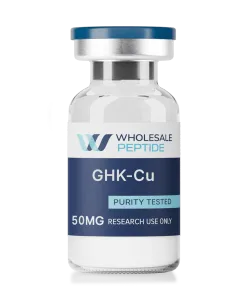
GHK-Cu Peptide | GHK-Cu Peptide Benefits
GHK-Cu, also known as Copper Tripeptide-1, is a tiny peptide complex found naturally in human plasma, saliva, and urine. The amino acids glycine, histidine, and lysine are firmly linked to a copper ion (Cu²⁺). This particular GHK-Cu structure is necessary for its biological function. It is highly concentrated when you are young and naturally decreases in a straight line with age, dropping from around 200 ng/mL at age 20 to 80 ng/mL by age 60—a more than 60% reduction over four decades.
This age-related deterioration is thought to be one reason why tissue repair and skin regeneration slow down as we become older.
GHK-Cu Peptide
GHK-Cu is available in three major versions, each with a unique legal and safety profile:
Topical skincare and hair products are legally recognized as cosmetic ingredients. It is widely accessible in serums, lotions, and scalp treatments.
Topical Pharmacy-Grade Cream (Prescription): Copper peptide compositions prescribed by a physician and of pharmaceutical quality for therapeutic usage.
Subcutaneous Injectable (Prescription/Compounded): Used for systemic benefits such as whole-body tissue healing, inflammation control, and overall anti-aging support. Not FDA-approved, it is only available through qualified compounding pharmacies via prescription.
GHK-Cu Peptide Benefits
1. Skin Health, Anti-Aging
GHK-Cu encourages fibroblasts to make new collagen and elastin, resulting in increased skin firmness, reduced fine lines and wrinkles, and restored suppleness.
Antioxidant Protection: The copper peptide neutralizes free radicals caused by UV exposure, pollution, and other environmental stressors, thereby maintaining the skin barrier and reducing visible damage.
Improved Texture and Tone: Topical GHK-Cu has been found to increase skin density, tighten it, and minimize hyperpigmentation and photodamage.
GHK-Cu helps soothe inflammation, reduce redness, and stimulate tissue repair, making it useful following non-invasive laser treatments or other collagen-stimulating procedures.
Be the first to review “GHK-Cu Peptide”
Related products
PEPTIDES NEAR ME
PEPTIDES NEAR ME
PEPTIDES NEAR ME
PEPTIDES NEAR ME
PEPTIDES NEAR ME
PEPTIDES NEAR ME

PEPTIDES NEAR ME
PEPTIDES NEAR ME
Reviews
There are no reviews yet.