

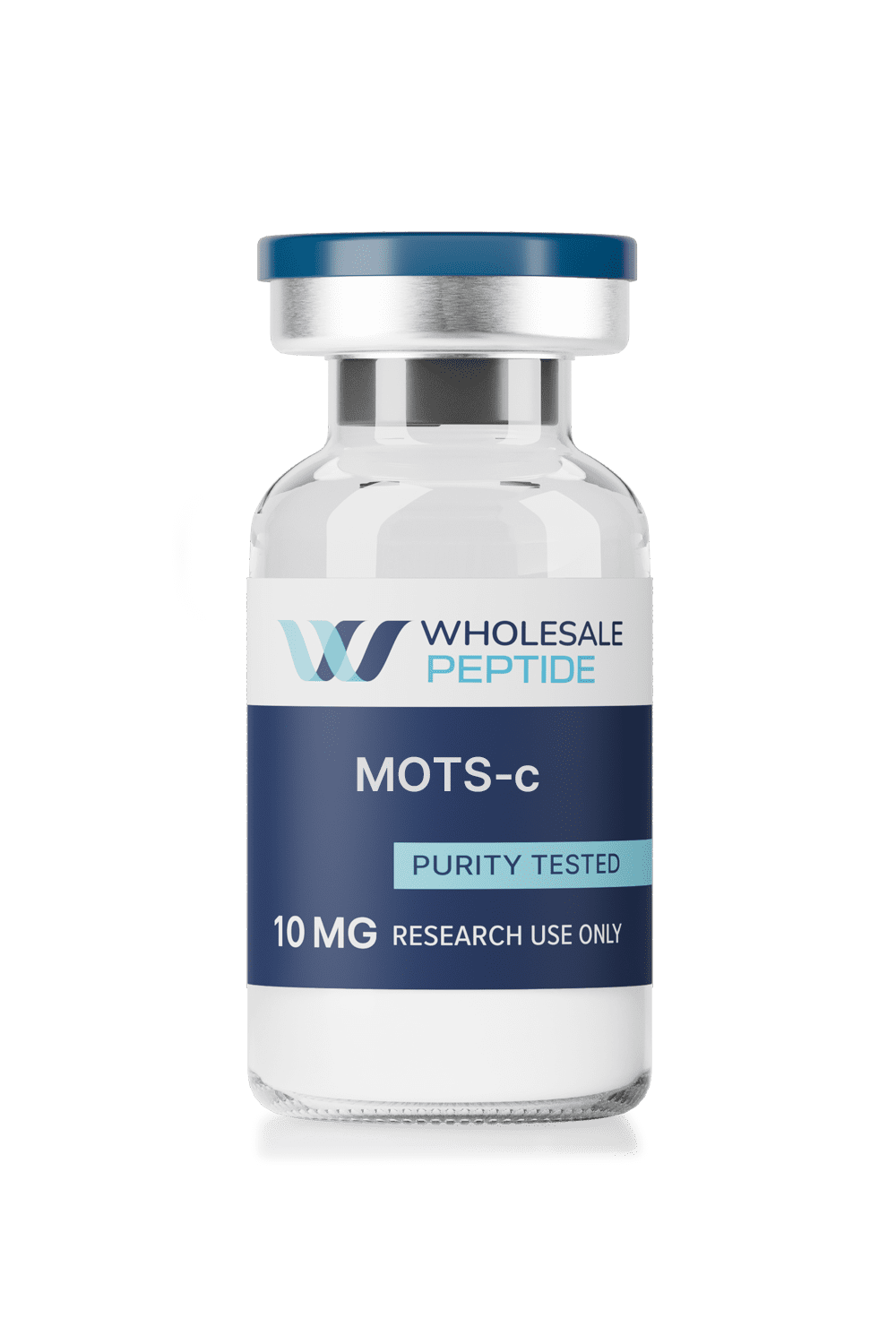
Mots-c Peptide For Sale | Mots-c Dosage
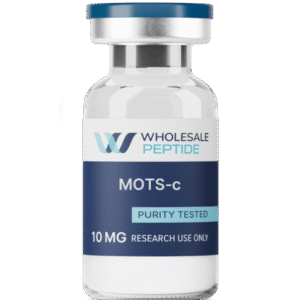
MOTS-c Peptides For Sale (Mitochondrial Open Reading Frame of the 12S rRNA-c) is a 16 amino acid peptide encoded by a tiny open reading frame in the mitochondrial genome. MOTS-c Peptides For Sale is a signaling molecule that starts in mitochondria and travels to the nucleus to regulate metabolism, energy balance, and cellular stress responses. It is not created from nuclear DNA.
MOTS-c Peptides For Sale levels naturally decrease with age and are associated with metabolic issues, insulin resistance, and decreased physical function.MOTS-c Peptides For Sale promotes glucose absorption, fat burning, and mitochondrial biogenesis by activating critical pathways such as AMPK. It is being researched as a possible treatment for metabolic diseases, age-related deterioration, and even muscle performance.
MOTS-c appears to affect metabolism and cellular health via numerous interrelated pathways:
MOTS-c activates AMPK by accumulating AICAR, an AMP analog that stimulates the protein kinase. AMPK is a key regulator of energy balance; activation increases glucose uptake (via GLUT4), fatty acid oxidation, and insulin sensitivity.
Mots-c Peptide For Sale
MOTS-c activates AMPK and its downstream pathways, leading to improved glucose metabolism in skeletal muscle, reduced fat buildup in the liver, and improved metabolic flexibility.
During metabolic stress, such as exercise or fasting, MOTS-c peptides for sale travels from mitochondria to the cell nucleus, directing the production of nuclear genes that help cells adapt and maintain homeostasis.
-
MOTS-c has been shown to prevent diet‑induced obesity by increasing energy expenditure, promoting heat production, and improving glucose metabolism.
-
By acting on skeletal muscle to enhance glucose uptake and fatty acid oxidation, MOTS-c may help regulate body composition without the muscle‑loss effects associated with some GLP‑1 agonists
-
MOTS-c has shown neuroprotective effects in a mouse model of sepsis‑induced brain injury, where it reduced mortality, attenuated neuroinflammation, and strengthened the blood‑brain barrier.
-
The peptide is also being explored for its potential in age‑related macular degeneration (AMD), where it appears to enhance cellular metabolism and regulate gene expression in patient‑derived cell
- MOTS-c, a 16-amino-acid mitochondrial peptide, activates AMPK and promotes glucose metabolism, lipid oxidation, and cellular stress responses. The study focuses on obesity, diabetes, age-related deterioration, and cardiovascular health.Benefits of 2025-2026 research include increased pancreatic islet function, protection against arterial calcification, neuroprotection, and improved muscle bioenergetics.As of May 2026, MOTS-c is not FDA-approved for human usage and lacks a legitimate therapeutic access channel in the US. However, the FDA is now evaluating its eligibility for inclusion on the 503A Bulk Drug Substance List.Safety issues include injection site reactions, cardiovascular effects, short half-life, and little human safety evidence.
Be the first to review “Mots-c Peptide For Sale”
Related products
PEPTIDES NEAR ME
PEPTIDES NEAR ME
PEPTIDES NEAR ME
PEPTIDES NEAR ME
PEPTIDES NEAR ME
PEPTIDES NEAR ME
PEPTIDES NEAR ME
Klow Blend 80mg (GHK-Cu 50mg, BPC-157 10mg, TB-500 10mg, KPV 10mg)
PEPTIDES NEAR ME
Reviews
There are no reviews yet.