
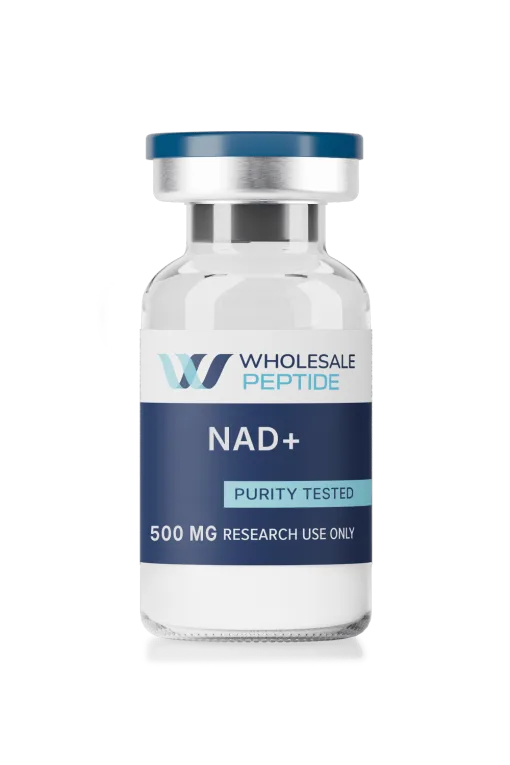
NAD+ Peptide
Price range: $80.00 through $92.00
NAD+ levels enhances mitochondrial function, boosts oxygen consumption and endurance, and guards against mitochondrial malfunction, according to preclinical research. NAD+ supplementation has been shown in a 2025 clinical trial to improve cardiac function in heart failure patients
NAD+ Peptide | NAD+ Peptide Benefits
A growing interest in cellular lifespan, health, and energy restoration is shown in NAD+ peptide. Often referred to as the “longevity molecule,” NAD+ (nicotinamide adenine dinucleotide) is a coenzyme that is present in all of your body’s cells and is necessary for repairing DNA, regulating genes associated with aging, and converting nutrients into energy. However, what is a NAD+ peptide exactly, and what is the scientific consensus regarding its advantages? An evidence-based summary of NAD+ biology, its possible advantages, safety issues, and the legal routes to obtain it is given in this guide.
NAD+ Peptide
NAD+ Peptide Benefits
Although the science underlying NAD+ biology is truly solid, there is still a big gap between fundamental research and demonstrated human advantages. These are the current findings of the evidence.
Cellular Energy and Mitochondrial Function
Increasing NAD+ levels enhances mitochondrial function, boosts oxygen consumption and endurance, and guards against mitochondrial malfunction, according to preclinical research. NAD+ supplementation has been shown in a 2025 clinical trial to improve cardiac function in heart failure patients.
DNA Repair and Longevity
Sirtuins (longevity genes) and PARP1 (a DNA repair enzyme) are powered by NAD+. In preclinical aging models, scientists have seen less DNA damage and enhanced mitochondrial function by raising NAD+ levels. It is yet unknown, though, if this results in a longer human lifespan.
Health of the Metabolism
NMN administration improved energy expenditure, reduced weight gain brought on by a high-fat diet, and restored normal fasting glucose and plasma lipid profiles in animal experiments. It has been demonstrated that NAD+ replenishment enhances middle-aged adults’ insulin sensitivity and skeletal muscle energetics.
Inflammation and Immune Function
Inflammation is regulated in part by NAD+. According to one study, NMN supplementation triggered signaling pathways that inhibit the NLRP3 inflammasome, a crucial mediator of inflammatory reactions. Additionally, lipid, hepatic, and inflammatory profiles are linked to higher baseline NAD levels.
Neurodefense
Preclinical studies have demonstrated that NAD+ boosters can decrease amyloid-beta buildup, promote mitophagy (the cleanup of damaged mitochondria), and enhance cognitive performance in Alzheimer’s disease models. In models of Parkinson’s disease, other research has demonstrated protection against dopamine neuron loss.
Liver and Kidney Health
Boosters of NAD+ have shown protective effects.against kidney injury, anti-fibrotic effects, and improved mitochondrial function in models of non-alcoholic fatty liver disease
Be the first to review “NAD+ Peptide”
Related products
PEPTIDES NEAR ME
PEPTIDES NEAR ME
PEPTIDES NEAR ME
PEPTIDES NEAR ME
PEPTIDES NEAR ME
PEPTIDES NEAR ME
Wholesale Peptide Pinealon 10mg: Neuroprotective Research Peptide
PEPTIDES NEAR ME
PEPTIDES NEAR ME
Reviews
There are no reviews yet.